Just yesterday I was about to eat an orange from the supermarket, but then someone told me these contain (2R)-2-[(1S)-1,2-dihydroxyethyl]-3,4-dihydroxy-2H-furan-5-one. I mean seriously, I can’t even pronounce this - the question is who benefits from adding these chemicals to our fruits? The government?
Luckily for me though, I replaced oranges with a healthy dose of Cheerios™ and I’m feeling very healthy and refreshed.
As long as it’s mixed with a slight amount of sodium chloride along with some other natural minerals you should be fine. I heard drinking it pure makes your cells explode
Chemical engineer here, I remember when learning orgo that I thought the IUPAC names were hot shit and so formal and cool.
As I got older and got exposure to industry it was a hard left turn. What do you mean “ethylene” is a better name for the olefin of ethane, vs ethene for the alkene? I mean seriously what kind of distinction is that?
Absolutely outrageous, they also contain vitamins, and did you know vitamins are chemicals!!! Better to avoid that shit. With artificial flavor and color you get way fewer chemicals.


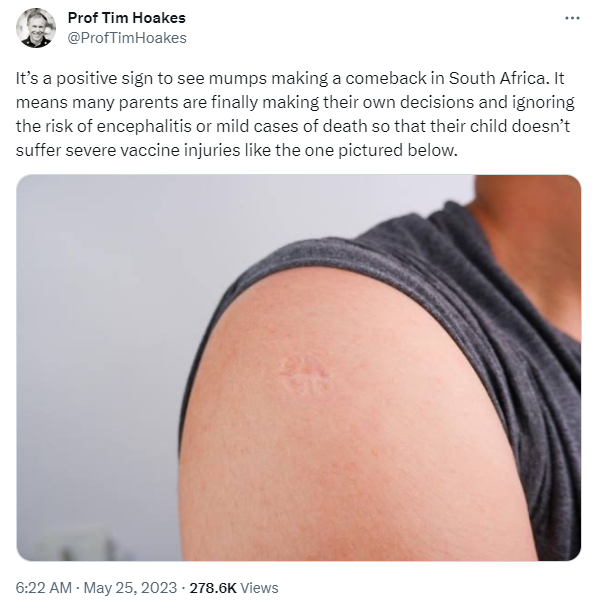
Just yesterday I was about to eat an orange from the supermarket, but then someone told me these contain (2R)-2-[(1S)-1,2-dihydroxyethyl]-3,4-dihydroxy-2H-furan-5-one. I mean seriously, I can’t even pronounce this - the question is who benefits from adding these chemicals to our fruits? The government?
Luckily for me though, I replaced oranges with a healthy dose of Cheerios™ and I’m feeling very healthy and refreshed.
Wash that down with a Diet Coca-Cola™. Vitamins keep the bubbles fizzy!
Oh no, I drank some Dihydrogen monoxide! I hope I don’t die, cases of death from Dihydrogen monoxide exposure are quite common
As long as it’s mixed with a slight amount of sodium chloride along with some other natural minerals you should be fine. I heard drinking it pure makes your cells explode
We should ban it! BAN DIHYDROGEN MONOXIDE! ANYONE WHO DRINKS IT DIES!
I heard somewhere that all serial killers have used dihydrogen monoxide at least twice in their lives
This joke never gets old. Just like unvaccinated children.
Chemist here, no clue what this was at first glance. Hell’s bells IUPAC names for organic molecules are ugly. It’s ascorbic acid.
That’s why we biologists don’t ever touch IUPAC names.
Does it come from an orange? Great, now it’s called orangy acid. Works fine for us.
What’s that? Sugar from a fruit? Fructose. Don’t bother us.
I love this.
Chemical engineer here, I remember when learning orgo that I thought the IUPAC names were hot shit and so formal and cool.
As I got older and got exposure to industry it was a hard left turn. What do you mean “ethylene” is a better name for the olefin of ethane, vs ethene for the alkene? I mean seriously what kind of distinction is that?
Absolutely outrageous, they also contain vitamins, and did you know vitamins are chemicals!!! Better to avoid that shit. With artificial flavor and color you get way fewer chemicals.
Technically correct.