Heh, hell for the rest of us, but rules lawyers are as happy as a pig in mud.
I don’t remember which version of M&M it was, just that there were fuzzy rules regarding stuff around senses, and hard binaries within those fuzzy rules. I get it, of course trying to make rules that cover everything ever in comic books isn’t going to be easy… but still, it was atrocious when you found yourself playing with someone who ‘knew the rules.’ I even remember a few posts on some forums about how M&M took the concept of d&d’s ‘fighters are for dumb people, wizards are for smart people’ philosophy and just made it even more important and people lapped it up as if it was a good thing!
Fate is definitely among my top games. I recommend it to everyone who brings up gaming, but I never seem to be able to get into a group with it these days. I personally hate d&d for how it not only is the name everyone knows, but somehow has cemented itself as the only game people are willing to play.
In my experience, rules lawyers get a certain special high from remembering some obscure piece of info and digging it out at the right moment. It’s their own special kind of magic. And - from time to time - it does make the game better, because you’ve got a guy who can say “Actually there IS a rule for jumping off a cliff, grabbing onto a big vine, and swinging onto the back of the rampaging Wyvern”.
But when the DM thinks they know the rules and the Player thinks they know the rules, and then they spend half an hour arguing over the results of a dice roll, it is my experience that neither of them walk away from the table happier than when they started. The best you can ever get is the table stakes and the worst you get is feeling robbed or cheated.
Fate is definitely among my top games. I recommend it to everyone who brings up gaming, but I never seem to be able to get into a group with it these days. I personally hate d&d for how it not only is the name everyone knows, but somehow has cemented itself as the only game people are willing to play.
The d20 system is pretty quick to pick up but contains enough depth to allow for wide variations in setting and style. So many of the variants are just right there at surface level. Nobody has to work hard to make fireballing a goblin legion or sneak attacking a mind flayer cooler than it already is.
FATE is perhaps too vanilla and really relies on the players/DMs to pick up the slack in their descriptions. The fundamental problem with a very story-based game is where you go with it when other people at the table just aren’t exciting enough to keep it compelling. Easy to say “I like this system over that system” when what you really liked was the group of Theater Kids (or just the friends you knew with a good set of in-jokes) that made the game pop.
I know a few friends who swear by Call of Cthulhu as a system. But their DM is a phenomenal amateur horror writer. So, I feel like it isn’t the system that’s doing a lot of the work.


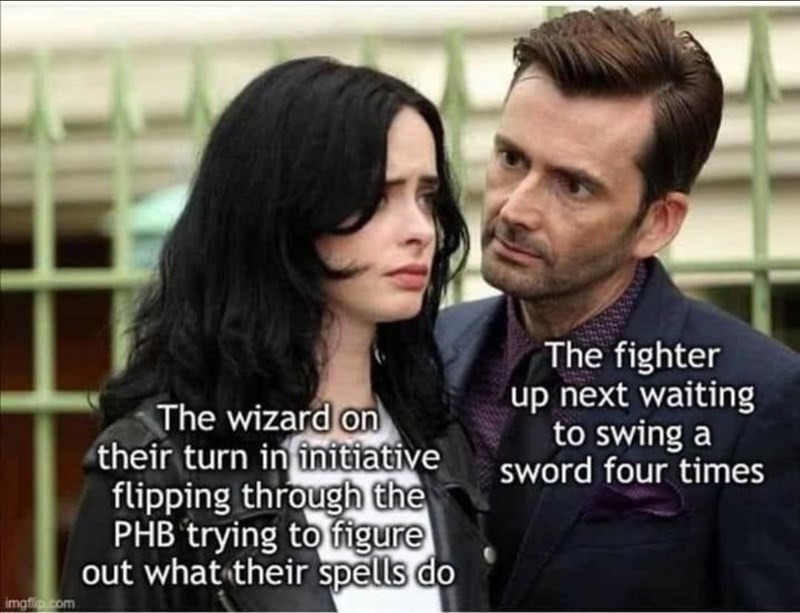
Heh, hell for the rest of us, but rules lawyers are as happy as a pig in mud.
I don’t remember which version of M&M it was, just that there were fuzzy rules regarding stuff around senses, and hard binaries within those fuzzy rules. I get it, of course trying to make rules that cover everything ever in comic books isn’t going to be easy… but still, it was atrocious when you found yourself playing with someone who ‘knew the rules.’ I even remember a few posts on some forums about how M&M took the concept of d&d’s ‘fighters are for dumb people, wizards are for smart people’ philosophy and just made it even more important and people lapped it up as if it was a good thing!
Fate is definitely among my top games. I recommend it to everyone who brings up gaming, but I never seem to be able to get into a group with it these days. I personally hate d&d for how it not only is the name everyone knows, but somehow has cemented itself as the only game people are willing to play.
In my experience, rules lawyers get a certain special high from remembering some obscure piece of info and digging it out at the right moment. It’s their own special kind of magic. And - from time to time - it does make the game better, because you’ve got a guy who can say “Actually there IS a rule for jumping off a cliff, grabbing onto a big vine, and swinging onto the back of the rampaging Wyvern”.
But when the DM thinks they know the rules and the Player thinks they know the rules, and then they spend half an hour arguing over the results of a dice roll, it is my experience that neither of them walk away from the table happier than when they started. The best you can ever get is the table stakes and the worst you get is feeling robbed or cheated.
The d20 system is pretty quick to pick up but contains enough depth to allow for wide variations in setting and style. So many of the variants are just right there at surface level. Nobody has to work hard to make fireballing a goblin legion or sneak attacking a mind flayer cooler than it already is.
FATE is perhaps too vanilla and really relies on the players/DMs to pick up the slack in their descriptions. The fundamental problem with a very story-based game is where you go with it when other people at the table just aren’t exciting enough to keep it compelling. Easy to say “I like this system over that system” when what you really liked was the group of Theater Kids (or just the friends you knew with a good set of in-jokes) that made the game pop.
I know a few friends who swear by Call of Cthulhu as a system. But their DM is a phenomenal amateur horror writer. So, I feel like it isn’t the system that’s doing a lot of the work.