
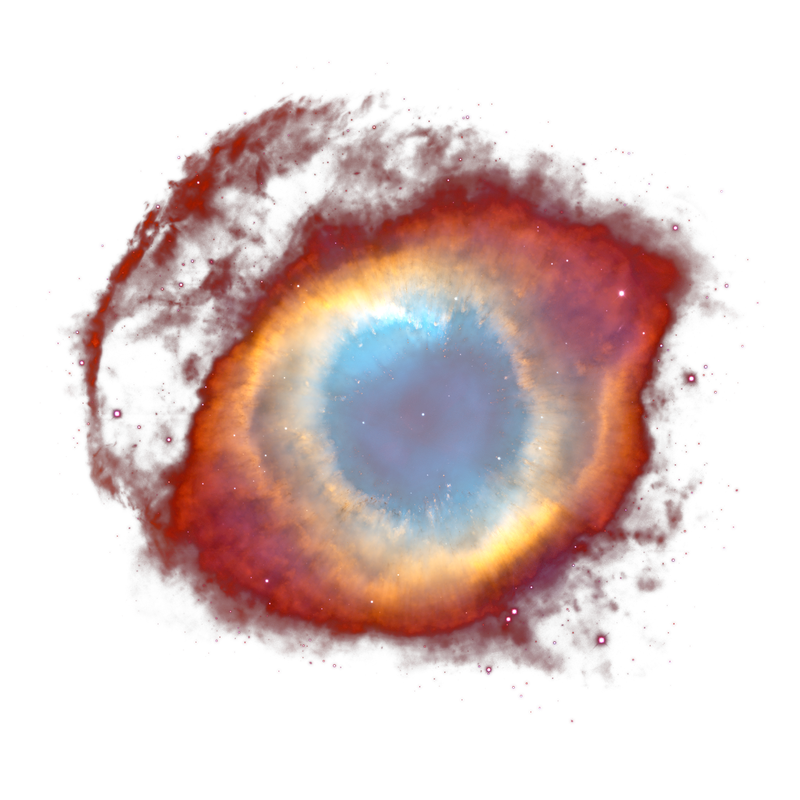
The discovery of all five nucleobases on Ryugu strengthens the idea that life’s molecular ingredients formed in space before reaching Earth.
A new study reports that samples from the asteroid Ryugu contain all five fundamental nucleobases, the molecular “letters” of life.
Tiny asteroid grains can preserve chemical clues about the ingredients that may have helped life emerge on Earth. The Ryugu material was returned from space in 2020 by the Japan Aerospace Exploration Agency’s (JAXA) Hayabusa2 mission.
In 2023, an international research team reported finding uracil, one of the nucleobases, in the Ryugu samples. Now, a study published on March 16, 2026, in Nature Astronomy by Japanese scientists has confirmed that all five nucleobases are present in the pristine asteroid material.
The finding suggests that these life related ingredients may have been common across the young Solar System…
This is amazing. Panspermia for the win. There’s definitely life out there.
of course there is. There is nowhere on earth, under any conditions, where bacteria are not found.
Lava. Gotcha bitch. What an idiot.
They didn’t specify living bacteria!
I mean, there could be, but it’s kinda hard to look into lava at the current moment
Open your eyes, Einstein. It’s not that hard jeez
The surface texture is a solid png, so you can only see the very surface and not how deep it is or what’s going on inside.
IDK. We’ve found bacteria that specialized into living inside a running nuclear reactor. I’m pretty sure that we will find bacteria living in The Sun, much less lava.
You are not wrong but there is a pretty large temperature difference between the two. The rods are super hot but I’m pretty sure the bacteria live in the water off the rads…? I may be wrong. I was just shit posting.
Yeah, my comment was also mostly tounge in cheek. I just find it incredible that they can survive an environment that would kill basically anything else, and they are eating, as you said, the very thing that kills everything else. Just “munch much, yummy radiation.”
deleted by creator
There’s that ridge in Antarctica that’s pretty close to being deadballs. With perchlorates, even.
Alright, easy there, Fox Mulder.
Life uh i want to believe
This just says the chemistry or DNA uses exists in nature, it is not about DNA being found, it is not about evidence of life
The more evidence is found, the more panspermia checks out. Honestly, I don’t love it. If life arrived on earth, or in fact if it arrived in the sol system via panspermia, that introduces so many more questions…
Part of the walkout to disclosure is finding microscopic life on planets in our solar system. It looks like we did find mold on mars, it was dead but we don’t know any other way to get spots like that