- 1.29K Posts
- 1.17K Comments






 41·24 hours ago
Bundesjustizministerin Stefanie Hubig hatte am Samstag auf bestehende Schutzmechanismen verwiesen. Sie hält die Justiz auch gegenüber einer möglichen extremistischen Landesregierung für handlungsfähig. Beamte seien an Recht und Gesetz gebunden und müssten rechtswidrigen Anweisungen widersprechen, sagte die SPD-Politikerin den Zeitungen der Funke Mediengruppe.
Ihren Optimismus hätte ich gerne.
Ich frage mich ob NSDAP und AfD vielleicht eher als “Rachepartei” verstanden werden sollten. Das “gegen die da Oben” eben. Im Gegensatz zu “Protest” hat “Rache” diesen selbstzerstörerischen Aspekt, den man bei AfD-Wählern beobachten kann, die gegen ihre eigenen Interessen wählen und zufrieden damit sind.


Sie muss verhindern, dass sich der Energieschock auf die breitere Preisentwicklung und die Inflationserwartungen überträgt, auch wenn die Zinserhöhung die Nachfrage dämpft, aber nicht direkt an den Angebotsschocks ansetzen kann
Inwiefern verhindert diese Zinserhöhung “die breitere Preisentwicklung und die Inflationserwartungen”? Diese Logik versteh ich nicht.

Schule muss richtig geil sein.
Ja, denke ich auch. Habe aber bisher noch nie Lehrer getroffen, die sich dafür zuständig fühlen würden. Bei mangelnder Motivation spricht man am Elternabend/Lerngespräch darüber, dann schauen sich alle fragend an, und dann macht dann weiter wie bisher, weil niemand eine konkrete Idee hat.


die von mir geführte Bundesregierung wird dafür sorgen, dass das Grundgesetz durchgesetzt wird
Hat er in letzter Zeit mal einen Bericht von Dobrinth bekommen? Die Ironie wäre lustig, wenn es nicht so traurig wäre.
 5·8 days ago
Is it a good idea to use premade decks? I feel like that is an important part of the process to me.
Vieles erinnert an die Schlacht ums kalte Buffet
Ich denke eher an eine Heuschreckenplage. Websites verrammeln alle Eingänge mit Anubis, um nicht überrannt zu werden. Wikis mit öffentlichem Schreibzugriff werden mit Slop verwüstet.
Hm, ich glaube du hast Recht. Wikipedia jedenfalls mittelt die GMST über 20 Jahre. Ich muss irgendeine andere Metrik im Kopf gehabt haben.
Der offizielle Report nutzt einen 5-Jahres-Durchschnitt. Da 2025 das erste Jahr über 1,5° war braucht es wohl mindestens noch bis die Daten von 2027 mit drin sind bis wir das Ziel offiziell gerissen haben. Andererseits haben wir 2026 einen starken El-Nino. Vielleicht reicht das schon um den Durchschnitt auf 1,5° zu kriegen.
Möglich. Ich hab das “geworden” übernommen von diesem AfD-Gutachten:
Unsere Analyse der internen Machtverhältnisse belegt: Heute geben die radikalsten Kräfte den Ton an.
Wirtschaftsliberale und nationalkonservative Kräfte haben die Partei verlassen, sich radikalisiert oder dulden die Radikalisierung weitestgehend.
Wechselt? Die AfD war seit ihrer Gründung wirtschaftsliberal also attraktiv für “die Wirtschaft”. Damals war sie ja noch “ok”. Nur inzwischen ist sie halt rechtsextrem geworden.
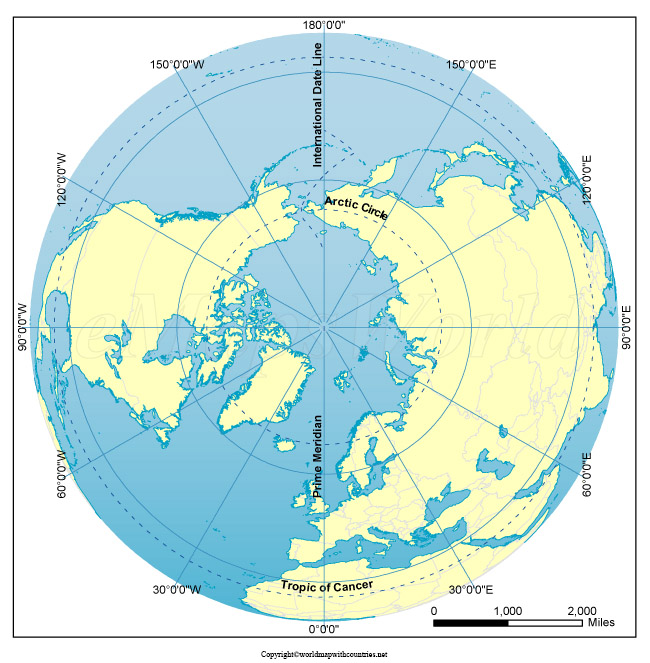
Was die Karte immer noch suggeriert ist, dass Europa “zwischen” Amerika und Russland liegt.

Für den Professor ist die AfD nur “radikal” und nicht “extrem”, also nicht verfassungsfeindlich. Eigentlich amüsant, denn er benutzt ja bewusst Begriffe des Verfassungsschutz, aber dieser stuft die AfD als “extrem” ein.
Ich finde es gut, wie Begriffe hier differenziert werden (Faschisten vs radikale Rechtspopulisten). Allerdings bin ich nicht so optimistisch wie Griffin, dass eine AfD an der Macht sich “entzaubern” würde:
Wenn sie an die Macht kommen, lasst sie die Dinge selbst vermasseln. Das würde wahrscheinlich mehr Gutes bewirken. Zum Beispiel hat in Großbritannien Reform UK einige lokale Verwaltungen übernommen, und sie haben ein komplettes Chaos daraus gemacht.

Dafür haben wir den Verfassungsschutz, dafür haben wir die Möglichkeit, solche Leute aus dem öffentlichen Dienst zu entfernen. Wir haben sogar die Möglichkeit, ihnen die Beteiligung an Wahlen zu verbieten. Also unterhalb dieser Verbotsschwelle gibt es eine ganze Menge Möglichkeiten, und ich staune, dass die nicht genutzt werden und stattdessen die große Keule rausgeholt wird des Verbots, wo wir doch ahnen, dass man eine in Sachsen-Anhalt 40-Prozent-Partei nicht mal eben verbieten kann.
Ich finde sein “wo wir doch ahnen” sehr wichtig. Es ist schon eine spannende Frage, was nach einem Verbot passieren würde. Die latent-rassistische Einstellung bei vielen AfD-Wählern verschwindet dadurch nicht. Sein “Staunen” teile ich ebenfalls. Kurz: Verteufeln würde ich Gabriel wegen dieses Interviews nicht.
(Disclaimer: Ich bin für einen AfD-Verbotsantrag so schnell wie möglich.)
Du müsstest ein entsprechend gehebeltes ETF-Investment zum Vergleich heranziehen. Der MSCI World hat sich von 2014 bis 2024 fast verdoppelt, also wären aus einem 380k Investment auch locker 630k geworden. Vermutlich über 700k. Allerdings hättest du vermutlich keinen entsprechend guten Kredit bekommen für ETFs und dann natürlich noch die Steuern auf den Gewinn. Hausbesitz wird definitiv mehr gefördert. Andererseits hast du mit 2014-2024 eine außergewöhnlich profitable Zeitspanne erwischt, wie man im Diagramm oben sieht. Als relativ frischer Hausbesitzer hoffe ich, dass die nächsten Jahre ähnlich profitabel werden.
Meine Daumenregel: Geld was man nicht plant in den nächsten 10 Jahren auszugeben, kann man in ETFs investieren.




Siehe Weimarer Republik.