You must log in or # to comment.
Natural gas is used to produce hydrogen, which is then used in the Haber-Bosch process to produce ammonia from nitrogen in the atmosphere. Only about 6% of natural gas is used to produce hydrogen, so even if the price were to rise substantially, we could divert natural gas from other uses and have plenty for making ammonia. We also have other ways of producing hydrogen, it’s just that natural gas is more established.
PEM electrolyzers paired with cheap solar in countries with high insolation can now produce hydrogen for less than the cost of natural gas, but we’re only recently starting to see the construction of the large-scale green ammonia plants needed to accomplish this. Egypt is currently constructing a 100-MW green ammonia plant powered by solar energy. Even if you didn’t have enough PEM eletrolyzers you could still just pass current through some salt water and produce hydrogen, albeit much less efficiently.
It’s not going to be a catastrophic issue.
Fun fact: Fritz Haber, the German guy that invented the Haber-Bosch process is the same Fritz Haber that developed a way to use the chlorine gas in chemical warfare. He was personally overseeing its effect in the battle of Ypres.
Clara Immerwahr, who was married to Fritz Haber and was a successful chemist in her own right, spoke out against his research as a “perversion of the ideals of science” and “a sign of barbarity, corrupting the very discipline which ought to bring new insights into life.” She ended her own life the day before he traveled to the eastern front to oversee the use of chlorine gas against Russian troops.
Dude knew his chemicals
Habe
rn wir einen an der Waffel? JaAnd the Bosch in this instance is not Robert Bosch, founder of the company Bosch, but his nephew Carl Bosch, founder of IG Farben. Famous for, among other things, zyklon b.
Thank you for explaining the process, because the pro-fuel-cell pact doesn’t understand that hydrogen isn’t free and production is still heavily reliant on fossil fuels.
“Oh it comes from ammonia”. Alright, where does the ammonia come from???
You’re just moving the problem around, not fixing anything.
You’ll make hydrogen from renewable energy. That is the point.
But why not just make electricity from renewable energy?
Like, I get the benefit of fuel cells, but people need to realize that hydrogen closer to a battery than a fuel source itself. You’re expending energy now to make storage of energy that can be tapped later.
It’s good for places where vehicles can’t tap into the grid and need dense energy storage (i.e. transoceanic freighters), or where long charging times are infeasible (like long-range trucking).
And probably good for grid-level storage, too.
But for a typical family car/commuter? There’s really no point. You’re adding more steps in energy conversion, and losing efficiency at every additional step (thanks to basic physics), and to gain what? A faster refueling time on a long road trip? An experience closer to what we were used to with ICE-cars? An experience that really isn’t that great anywhere that has a winter. Or an excessively hot summer.
Maybe for people who can’t have a charger at home, even an L1, but there are better solutions for that (like…adding an outlet? Making landlords responsible for providing power whenever there is parking? More municipal charging locations?)
You can’t fertilize crops with electricity, nor can you eat it
Making food from pure electricity would be a cool sci-fi thing
Some startups are trying to synthesize edible fats from non-biological feedstocks, using just energy, water, carbon monoxide, and hydrogen, through the Fischer Tropsch process.
Personally I’m more interested in seeing whether that can expand into just manufacturing hydrocarbons with excess solar energy, rather than synthetic food, but it’s still cool to see that people can do it.
We’ll make our own carbon cycle. With blackjack. And hookers.
In fact, forget about the carbon.
You can’t store electricity by itself. The problem we are facing is massive curtailment, i.e. massive overproduction of green energy that can’t be utilized. There needs to be way of storing it at a massive scale. There is no feasible way of storing that much energy in conventional batteries.
If you can acknowledge that hydrogen is needed for dense energy storage and grid-level storage, then you should realize that we will eventually have a huge hydrogen infrastructure, and production capacity to match. That will create very cheap green hydrogen, and will mirror what happened with solar and wind.
Cheap hydrogen alone will drive large-scale adoption of hydrogen cars, regardless of the popularity of BEVs. A lot of people will choose hydrogen cars (possible e-fuel cars too, since e-fuels can be made from hydrogen) simply because it is akin to an ICE-car in usage.
The other point is that battery production is not green and is very resource intensive. Hydrogen cars let’s you avoid that almost entirely. In the long-run, it will be pointless to care about efficiency when green energy becomes nearly free. That suggests hydrogen, not batteries, is the better idea.
Farmers almost uniformly over-apply N fertilizer. Having it be more expensive and forcing them to look into more efficient ways of applying fertilizer and managing nutrients is not a bad thing.
Unless it just causes the crop to cost more without any change in behavior.
Farmers are price-takers not price-makers. The prices they receive are driven by speculation on the commodities markets (even for crops not traded on the market).
Since they can’t control the price they receive for their crop, they are very sensitive to any change in the cost of inputs. Determining how much to spent on inputs is the part of their profitablity they can control. So widespread behavioral change is usually pretty close to immediate.
we could divert natural gas from other uses and have plenty for making ammonia. We also have other ways of producing hydrogen
We can’t do any of those in a scale large enough to replace the destruction and have it online for the next planting season on the North Hemisphere. Or the next one on the South Hemisphere either, btw. Or the following ones for each.
Adding to that, logistics are such that direct impact will be felt strongest in places like India that rely heavily on Qatari LNG to make fertilizer, but many places have other sources of both gas and fertilizer. Americas, EU, Russia and China will get by because they have their own supply and will be only affected by price increase
Also, while it’s still new, plasma nitrogen has the potential to rapidly scale if the economics stop making sense for Haber-Bosch nitrogen.
It might not be a massive scientific issue but I bet prices will still rise and the news will be fearmongering causing pricing to go up and never come back down. It’s a capitalism issue and corruption and greed.
A lot of dreamers here who never actually tried to grow something. A lot of YouTube video knowledge but no practical experience.
Its damn difficult to grow your own food. I think buying canned goods and storing them is the best option for almost everyone instead of trying to grow your own.
As someone who has been trying to grow tomatoes in containers for about 10 years, I can confirm that it really is difficult. It took me about 5 years to achieve fairly consistent results and get the hang of properly amending the soil, planting correctly, watering, pruning etc. And I still have years where the production is really low, largely due to fungal diseases.
see what you should have done is just toss some rotten ones onto your driveway or behind the shed and ignored them and next year you’d have had the biggest baddest bitchingest tomato plants you’d ever seen
We planted tomatoes on the backyard last year and we drowned in them, kilos and kilos of the stuff
It also would’ve been a lot cheaper to get the same amount from the grocery store 😅
Yeah. I have the largest respect for people who manage to get that far. It really is not easy.
Not wanting to add complexity or anything but have you considered trying a deep water culture (DWC) hydroponic system? That’s all a fancy way to say a dark colored large 5-ish gallon bucket of water with specific hydroponic nutrients dissolved in the water (I use a generic balanced powder and it works nicely) and an air pump to keep the water from going stagnant. As long as you keep the air pump dry, you can do the whole thing outside without issue. I hang mine under a plastic camera guard and it works nicely.
I’m terrible at growing things in dirt because dirt remembers what you did to it (holds salts and nutrient excess unless you flush the soil), but hydroponics is a totally different thing. You can just toss the water and give it new when it starts showing signs of nutrient deficiency/toxicity. The roots end up massive and healthy and everything grows faster since there’s zero resistance in the growth medium. Just sucking up everything they can. Tho since the typical advice is to just completely toss the water at least weekly once it’s grown up (great for outside gardens or houseplants after the tomato buckets), you usually don’t end up with imbalances like that at all.
Proper care of a hydro system makes for a bountiful harvest most years, and if you want, you can very easily keep a tomato clone over winter to keep some smaller amount of production going. Hydro works very well inside because you don’t bring most of the bugs you would with a dirt pot.
Throw like 4 standard screw-in daylight bulbs of 60+watt-equivalent leds and you’ve got a grow space. No fancy expensive nonsense required.
Bro my cacti died. Both of them.
ok you can stay away from the garden and take a more motivational role
This is how capitalism starts
I can do that. I’ll keep track of everyone’s food, you know, in exchange for food.
You should even get a little extra! You know, because of all the responsibility
Good. Captialism is based
I don’t even agree with this but I’m upvoting because I hope Lemmy becomes more open to hearing nuanced takes on this. Capitalism is complicated. It’s not God, it’s not Satan
I dont support everything in capitalism and I dislike the way Americans engage in it. But i do like it as an economic engine and a way for people to build things and shape their communities. The idea of someone being unable to own a store and sell goods and services is very sad to me.
Cacti are more difficult than other plants to grow.
The best is community roles in a collective. If you try to do everything yourself you’ll fail but in specializing you’ll succeed. For produce, one neighbor specializes in tomatoes, the other cucumber, the other onions, etc etc… that’s how human society survived in tough times and that’s actually as a species how we’re supposed to operate. As a community. Another reason why everyone is so dang lonely and depressed. Anyways, I digress…
Yep, find your local CSA (Community Supported Agriculture) and get a membership
As a species we were never supposed to operate by giving all labour and spoils to tree people, it’s speciciede
Buying dry food is probably better than canned. It’s lighter, stores for longer, and is much more compact.
Are we talking like, bags of rice and beans?
Rice, lentils, peas, beans, wheat berries, barley, oats, etc. But if you buy in large bulk (which you should do for the cost savings), you should repack the goods into smaller individually sealed containers. Because a 25kg bag of rice, once opened, will take a small family all year to get through, and having an open bag of rice attracts rodents, weevils, moisture, mould and dust. Pack it down into half kilo or 1kg containers, ideally vacuum sealed or with some other preventative treatment. Then only open 1 container at a time.
This is good advice not just for building resilience against food cost shocks, but just generally good practice for saving money by buying in bulk and repacking yourself. Around here,a 25kg bag of rice costs me about $40, but buying 25kgs of rice in individual kilo bags at the supermarket costs $3.50 per kilogram for the cheap stuff, or $7.50 for the premium stuff ($88 or $188 respectively for 25kg worth)
Yeah unfortunately I can buy rice in either 4x125g individual bags in one package, or just a 500g package.
Somehow we just don’t get bulk packages of most goods. At least not in consumer facing stores.
Have you tried Asian and indian grocery stores? I get Thai jasmine rice from a Vietnamese shop near me, but they also sell it at the Indian supermarkets. They have lots of spices in bulk too.
I’m Estonian, we only get generic grocery stores, or expensive “asian flavours” stores that sell mostly stuff you can’t find elsewhere and high quality but expensive ingredients as they seem to have mostly pretty low sales volume. There’s one that sells a 25 kilo bag of rice, but it’s not cheaper power kg than a small pack of rice from a regular store.
Growing food isn’t hard but takes knowledge and time, and even then there is no way in fuck you can be self sufficient.
I grow a lot of stuff in a relatively small space. Sometimes I have to give stuff away because it’s too much for me. Maybe living in a tropical region helps? or maybe because I grow mostly native stuff that needs near to zero care.
LOL yeah. Stuff actually grows in tropical regions! :p
I’m happy for you there. (Although I imagine pest control gets interesting haha)
Southwestern U.S desert? Yeah, another story. Hydroponics are basically the best bet for your typical suburbia-dweller, I think.
Indeed, I have some trouble with pests, especially with the guava tree, but I’ve been using the technique of covering the young fruits in clothing bags so that pests can’t access them, and it’ has been effective so far. Needs a bit of work, but it’s cheap and doesn’t need using any chemicals. Sometimes, a naughty possum comes and takes something away, but it’s not so frequent, so I let them take their share lol. I once planted a broccoli that was growing so big and nice-looking, but had it suddenly disappear, eaten by a group of caterpillars.
But I simply avoid the things that attracted pests and favor the ones that grow without much need of maintenance, like acerola, cassava, some pumpkins, passion fruits, some wild grape-like fruits, and so on. My backyard looks like an abandoned house with the wilds taking over, i admit, but well, I like it that way…
Living in a tropical region definitely helps. Up north, the selection is difficult. Where and when you plant different items is really important, since you can very easily kill the plant if you plant it too early or late
That’s interesting to know. I never paid attention to timing when planting. We can plant most things in any season without much difference around here. Sometimes, things grow “spontaneously”, like the papaya tree that appeared last year and is already mature and giving fruits. Looks like I’m playing real-life stardew valley in easy mode >.<
Yeah, my peppers got too much calcium and had black ends. Cucumbers got too yellow. Cabbage worked fine, but I fucking hate cabbage. Beans were seriously lacking. Shit certainly isn’t easy, and it’s way to easy to think, hey, I can do this no problem!
Man your soil is farked . Start composting
Haha, are you speaking from your own practical experience, in which you failed and decided to buy canned food instead?
It’s not easy, but it’s not impossible either. It depends on your circumstances.
And there’s an in between as well: grow some of your own food and buy canned foods as well. Or share a garden with people who know what they’re doing.
I agree that people should definitely keep a good store of non-perishable foods in case of hard times, but you also should try to grow food as well. I don’t think anyone is trying to say it’ll be easy, like anything at first it is difficult. It’s definitely worth trying though, if you can and have the space. Like I said, don’t go all in as your only option, keep non-perishable foods on hand, like canned goods, or dried goods. If you’re able to grow your own food you get fresh fruits and veggies, and you won’t use up as many canned goods.
I planted horseradish into the ground, neglected it, and it grew anyway.
Yes.
Blame Americans.
Hey. I quite like Canadians.
I’m partial to the mexicans myself
Deport your southern neighbors, it’s the American way.
But they are silent though, like Europe and ROW.
Don’t forget Israel.
whynotboth.gif
deleted by creator
When someone says American, they mean a USA resident. I don’t know anyone who would assume they mean a Canadian and/or Mexican, since you use those terms for them.
And if you are you’re just being obtuse or argumentative.
Thank you.
Dude feels like a flat earther about this.
deleted by creator
Why? You have North Americans and South Americans to cover the others?
What else would you need to include in the term Americans?
deleted by creator
North America is Canada and the USA. And there’s also central America, which isn’t included in those two terms.
Just casually ignoring Mexico as part of North America says everything I need to know about how intelligent you are.
Name checks out, you’re obtuse.
The whole world uses that term, since the other countries are covered by other terms, or other encompassing terms like I explained already.
When someone says American, what country do you think they come from? You just said you know what North Americans are, so you wouldn’t include Canada or single out Canada there.
American has never meant an all encompassing term for north/central/south America, where the hell did you get this idea from?
deleted by creator
In English, the correct demonym for a citizen of the United States of America is “American”. There have been others that somewhat are accepted but are not universal like “Yankee” which half the population would take great offense to.
It isn’t centering the world on us to call ourselves Americans, it’s the only thing that works in the language and is accepted by everyone it applies to. Call a Canadian an “american” and watch how quickly they correct you.
I’ve seen people propose “United statesian” but there 2 problems with that, first it does not flow well in English, second that doesn’t actually fix the problem since there’s still be ambiguity with people living in the United Mexican States.
What countries have the word “America” in them? How many countries in the Americas are “united States”?
What do you call a citizen of the United Kingdom of Great Britain and Northern Ireland?For the record, The United States of America is the only country with the word America in it’s name. Our immediate neighbor, The United Mexican States, is another country you could, but no one would, plausibly call the United States.
The British isles contains two countries, Ireland and the UK. One of these is the home of the British, and the other would be much happier if you didn’t call them that.
Insisting that you not refer to the people of a country by the most unique name in the countries name, because the geographic region has that word in common is … Odd.
Your point being you are making up a new definition and calling everyone else wrong? I also didn’t even notice your username, you’re just being bloody obtuse.
Bold move cotton.
deleted by creator
American (read by the entire world as USA) culture is the problem.
deleted by creator
Wasn’t the CNN just conducting a poll about the Iran invasion and around 100% of maga was for it, and like 35% of democrats too?
Like insane numbers (am home w bad cold might write errors).
deleted by creator
America, where there is an actively sitting known pedophile president protecting a group of elite pedophiles
Well, we’re not trying that hard. Seriously, it takes one person to put an end to all this misery and yet we don’t. Until there’s real progress in the US, it’s safe to say that each and every American supports our presidents actions if nothing else through refusal to stop him.
Gonna take a lot more than one person to end it. The president is just the cream of the crap. It’ll take dismantling the power of his cronies, their wealth/businesses, and their supporters. From the billionaires to the paycheck-to-paycheckaires that scream bloody murder when you suggest taxing their heroes to fund the welfare they think they’re entitled to but is a theft when someone else receives it, the problem isn’t just in high offices. It’s living next door to you and will vote this hate in again even if the current regime is removed.
Then it would take one more at that point. Solve enough problems and eventually people will realize they need to stop creating them. Or solve your neighbors. As long as someone is ACTUALLY DOING SOMETHING against the biggest problem, the rest of them can wait until someone is ready to solve them. When the biggest issue is dealt with, then we can start solving the smaller ones.
Define biggest problem. Is it the figurehead that has been empowered or the culture of hate that empowered it? Removing the head might lessen the impact short term, but not addressing the real issue that is the culture of hate will just send it to ground, breed a sense of victimhood and lost cause, and pass it on until it surfaces again. On the flipside, start killing your MAGA neighbors (which are more easily accessible than the office holders) and you’re just an unhinged lone wolf that won’t get very far before you’re killed or arrested, plus you’re just adding to the narrative that “these are dangerous people that must be eliminated”. It risks everything, gains little, and strengthens them. Scale that up to thousands of people the ing on their neighbors and you’ve moved on to genocide, which even if you win isn’t going to impress the global community. Great, America’s no longer a Christo-fascist oligarchy, all it took was half of them liquidating the other half… And what do you do with the kids? Kill them along with the parents? Send them off to be reindoctrinated? I have a hard time believing someone who watched their parents get murdered over political beliefs is going to have an easy time growing up compliant in the system where their parent’s killers won.
It’s going to be a mix of fighting, lives and livelihoods getting lost, and consequences like being stripped of the rights to hold offices, own businesses, and vote- things that should have happened to those who participated in the Confederacy- to win. A lot more than one person is going to have to get their hands dirty with the knowledge they might not live to see it through, and it even then what they’ve done will be on their conscience for the remainder of their lives. You ever killed anyone? Ever beaten someone so savagely they had to go to the ER? Even if you can live comfortably with having done it because you feel morally justified, still weighs on you when you consider “goddamn, I beat the ever loving fuck out of that person and don’t feel bad”.
I’ve found most people aren’t as comfortable with committing violence as they are talking about it or empowering others to do it for them, so I’m not at all surprised we don’t have a lot of lone wolves murdering their MAGA neighbors, just packs of state sanctioned thugs called cops doing it on behalf of their handlers.
Whatever we do, however we fight back, not one of us alive today is going to get to live in a decent world. We’re here to duke it out for the foundation of what kind of society our grandkids and great grandkids get to live in, and even then they’re going to have to work to preserve their version of it because hate, intolerance, greed, and entitlement always reinvent themselves.
Don’t blame me, I voted for Kodos.
Ah yes it’s all my fault you’re right whoops
Are you American? Then yes it’s your fault. This is because of the USA.
Evem if they voted someone else?
Are you American? Than it’s your fault.
This gotta be ragebait, this is too stupid to not be
You think food prices will come back down after it’s all over?
Hahahahahahahahahahahahahaha!
As if you’d need to ask that question…
deleted by creator

Plant a vegetable garden?WHERE?
DO YOU THINK I CAN AFFORD A YARD?
I have a copy of this little pamphlet called Fugitive Gardens, which is all about gardening in small spaces, such as a fire escape.
It’s all fun and games until there’s a fire.
Hydroponic indoor gardening is the way. (I assume - I don’t grow any food hahahahaha)
i would, but power prices are making it impossible to be a alternative
Do you think power draw would be that much for hydroponic/aquaponic? Always just watched that and auto gardening from afar
it kinda dosent matter if its hydroponic or soil they still need the same amount of light, and that depends on the crop, but basically there isnt a crop that could feed you if u only have a normal sized flat, even if u stack micro greens to the top and sleep in the bathtub
If they cannot afford a yard what makes you think they have space to spare inside to grow stuff??
Was thinking of those small footprint plant towers that were circulating online a decade or so ago. Look like big upright pipes with holes in the sides for plants. Continually circulating water inside. I’m sure they’re expensive now but I bet we could throw one together without too much effort if we had the knowledge.
Pvc is relatively cheap. Submersible pump could be as cheap as $10. Expanded clay is also affordable. Not sure about the design, though.
Container garden. I even had one on my North facing balcony in Baltimore.
You should always feel free to grow a garden, but you shouldn’t necessarily expect it to be cheaper than buying food. Especially the first year, if you don’t live in a place where you can just dig up some dirt and chunk seeds in it. Even if you do you should make sure the soil isn’t literally toxic first, especially since it’s common to have a buildup of things like lead or arsenic from now-outlawed fertilizers that can be absorbed by plants.
My grandparents planted maybe half an acre? Of crops for 10 people, and it was supplemental, not a complete replacement. It also takes a lot of work and can go to shit if the weather is bad. You can account for some of this by planting a variety of crops, trying to head off drainage and shade issues before they start, and with supplemental watering. But don’t expect everything to be super productive every year, especially in the age of climate change. My sister had some plants not put out at all last year (peppers).
deleted by creator
Grow a garden where? On what fucking land lmao
You bought land, right? Right!?
whatever land you can take.
some cities have programs that allocate park or unused land for community gardens. some even give you a small budget to build infrastructure like beds or buying dirt.
grow staple foods that have long storage life: squash, pumpkins, carrots, rutabaga, potatoes. these can stay on your shelf for 3-8 months if stored properly. personally I have about 12 (3-5lbs each) spaghetti squash sitting since harvest in November that will be fine until about August.
secondary are things you can freeze or dry: squash, peppers, peas, green beans, Lima beans, kidney beans, cabbage, beets. I dry most of these and toss them into soups and ramen.
tertiary are foods you can process and preserved through canning, drying, or freezing: tomatoes (sauce or breaded), okra (breaded), etc…
your diet will change, but you’ll feel good about what you’re cooking because you grew it.
also, stay away from petroleum based fertilizers. if you add too much or too often you can burn your soil out and kill your crop. if you used naturally derived fertilizers you don’t have to be as careful.
good luck!
Plant the 3 sisters (beans, corn, squash/pumpkin) together in a small area to maximize shelf stable production. You will need to do a small amount of research on planting times but the times are fast approaching.
You will need to do a small amount of research on planting times
And climate zone. There are many places where it is too cold.
Not everyone lives like sardines in concrete jungles.
Yeah I get that, what I’m saying is most of us can’t afford land, let alone a house. Cool if you can but I’m not lucky.
Yes, it’s a shame how the system is designed to trap people into paying rent so they never save enough to own property.
https://ourworldindata.org/grapher/urban-and-rural-population
More than half the world lives in urban areas and farm land is by and far industrial.
Is this a good time to mention that animal ag is the most wasteful form of food we have? Further, consider capitalism and western rich countries. If the choice is between feedin poor people and feeding cows, what choice will the money make?
I dunno, we grow huge amounts of corn for ethanol to replace 15% of the fuel for cars… And it would be multiple times more efficient (in terms of land use) to cover that area with solar panels and phase out ICEs for EVs.
It’s not just fertilizer:
it takes about 7.3 units of (primarily) fossil energy to produce one unit of food energy
Assessing the sustainability of the US food system: a life cycle perspective
With all the fertilizer, heavy equipment and agricultural practices the food production today is very inefficient from an energy perspective.
Without cheap, abundant energy available the whole food production system is not sustainable
Exactly. The Swedish government or something did some study recently to determine if we’d be able to be self-sufficient under a longer time if we needed to be, as we currently have a lot of food imports. The conclusion was “yes, but there won’t be as much food diversity”.
However, they completely ignored the fact that we only have a ~90 days strategic reserve of oil, and that basically all the machining used for farming runs on diesel. And there’s currently no goals to change that.
If we can’t import or refine diesel anymore, we will starve.
It would be a hell of a lot more sustainable if we ended animal agriculture.
plug myself into the power socket for more efficient energy usage.
got it.
brb
I’m surprised to see this truth known on the Internet, I guess Lemmy actually is smarter than most other social media out there :o
What are pulses?
Ohhh…
Legumes are plants in the pea family Fabaceae (or Leguminosae), or the fruit or seeds of such plants. When used as a dry grain for human consumption, the seeds are also called pulses.
Most chemical fertilizer is synthesised from LNG.
The two biggest exporters are Russia (sanctioned) and Qatar (all plants shut down)
It’s a little late to start a food garden. You won’t be getting any harvests for a while, and it won’t be much. Best to stock up on shelf-stable goods now, and build community for mutual aid.
It’s spring in most of the northern hemisphere and therefore the next months are the best time to start a garden. Yes, chances are that you won’t feed your family from it. But it’s fun, it is a great way to get fresh food and if you have the option to do it, you should
Oh, yeah. Gardening is lovely, just don’t expect to be able to feed yourself (or anyone else) in the immediate future by planting some tomatoes by your kitchen window, starting now. It would be a while before you could harvest, and it would be a very small yield, assuming you get a good healthy crop. A lot of people act like the average Joe or Jane could feed their household and neighbors with minimal effort and a few square feet of free space by their window, when that’s just not realistic - at least, not for most people.
It totally depends on your living and garden conditions. If you have the space and the current climate for it you can totally use your garden to save money on groceries. This will not feed your whole household but can help to save some money and make everything more resilient. Plant an apple tree and you will maybe not have apples this year, but in the next year you can get your first apples. My tree is now 4 years old and is growing several kilos of apples every year and will for the next decades. Plant a cherry tree. Raspberries. Redcurrant. Other fruit trees. Those plants will grow every year and provide you with a lot of healthy food and will not take that much time to grow and cultivate. So it is a great time to start - you might get some results later this year, but next year will be great.
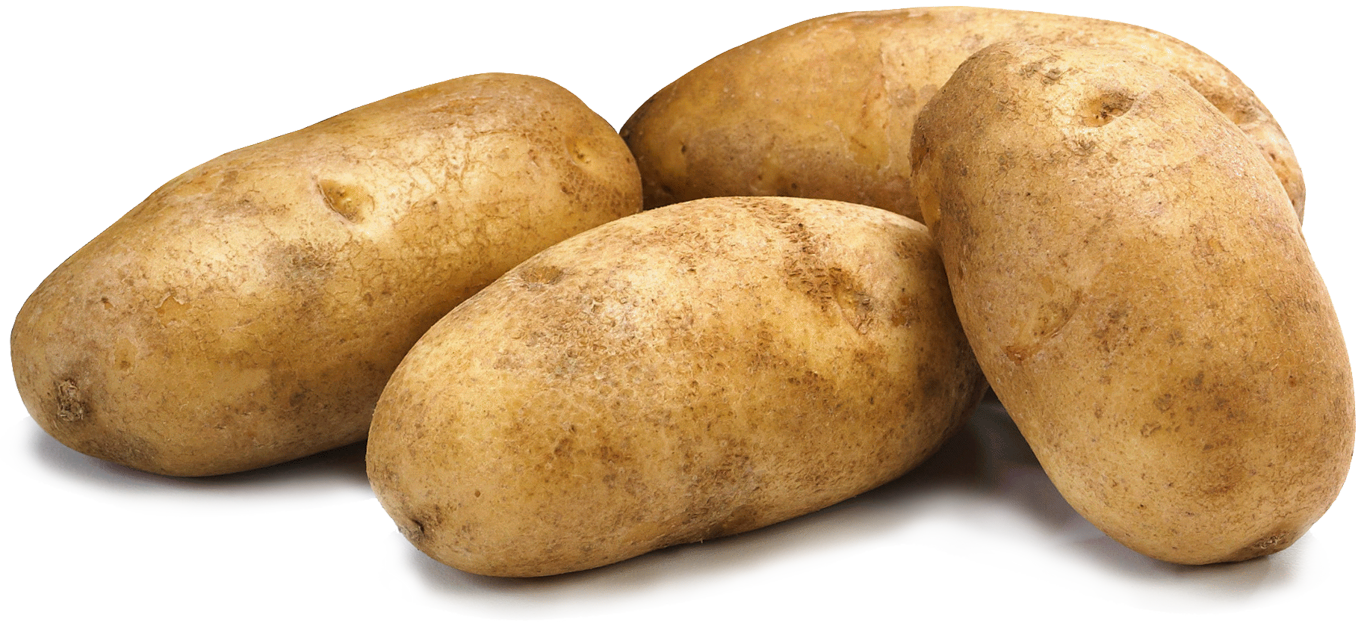
Also potatoes. You get results the same year. And though potatoes cost nearly nothing in stores, fresh ones taste better.
All I have is tomatoes…guess that will have to do.
Good thing my country exports 90% of its agricultural produce, so if we start getting hungry then we’ll just export a bit less.
(We learned the hard way a long time ago when we ran out of potatoes.)
Ireland was exporting food during the potato famine.
Don’t assume your food won’t continue to be sold overseas if the growers/wholesalers can make more money that way.
Ireland was exporting food during the potato famine.
*Britian was exporting food from Ireland during the famine.
Regardless of nationality, don’t expect your billionaire overlord to have ethics if it comes at the cost of a 0.7% income loss
No, you have to expect your government to do that, which is why almost the entire world is not hyper capitalist choochoo trains
What billionaire overlord? Irish agriculture is made up of over 100,000 independant family farms, and each farmers income is on average about €40-50k.
We produce enough beef to support almost 3x the population and enough dairy for 10x the population.
Ireland is the 2nd most food secure country in the world.
That sounds impressive, I never heard about it. Do you have some resource about it? I don’t know how to search for it and Google is, like, you know
Sure:
Sustainable Food Systems Ireland
- However, Ireland continues to be the largest net exporter of Beef in the Northern Hemisphere
- There are approximately 137,500 family farms in Ireland with an average size of 32.4 hectares per holding according to the Farm Structure Survey of 2016.
The report, highlights that average farm income is forecast to reach €48,500 in 2025
The scale of our farming output relative to our domestic population of 4.9m people mean that Ireland exports some 90% of its net beef output, making Ireland the largest beef exporter in Europe and one of the largest in the world (Department of Agriculture, Food and Marine, 2019). Similarly, 85% of dairy output is exported.
This isn’t exactly what I was searching for, I was more interested in the “independant farms” part
In France, most “family ran” farms work on rented land and under an exclusivity contract that forces them to sell all their production to a single company. This leads to a situation where the few billionaires that buy food from everyone get to set the prices at which they buy different crops (and therefore what the farmers produce), and whether to export it. In other news, France is exporting wine while malnutrition rises and the major food charity is running out of fund as the demand increases. The government has stepped in to fund the charity, but still, we end up prioritizing exporting alcohol over feeding locals.
I would be more interested in how the system decides what is exported and produced, rather than in what is currently exported and produced
I mean, you exported 90% of your agricultural produce back then, too.
How worried should I be? And how much should I doom prep?
Edit: doom prep might have been a strong word, meant how much shelf stable food to stock up on but someone already answered that. Just have normal amount for regular emergencies.
just a reminder that none of us can sufficiently “doom prep” and avoid the consequences of large catastrophes like those being discussed
beyond typical disaster preparedness: https://www.ready.gov/
probably the best thing would be to develop community ties - get to know your local weirdo farmers doing a CSA, make friends with EMTs, get to know your neighbors, get connected with a local community garden, etc.
We will survive or die together, individual prepping is not going to save you.
EDIT:
to more directly answer the question of what should be in your emergency kit, and how much food to store:
The basics:
- Water (one gallon per person per day for several days, for drinking and sanitation)
- Food (at least a several-day supply of non-perishable food)
- Battery-powered or hand crank radio and a NOAA Weather Radio with tone alert
- Flashlight
- First aid kit
- Extra batteries
- Whistle (to signal for help)
- Dust mask (to help filter contaminated air)
- Plastic sheeting, scissors and duct tape (to shelter in place)
- Moist towelettes, garbage bags and plastic ties (for personal sanitation)
- Wrench or pliers (to turn off utilities)
- Manual can opener (for food)
- Local maps
- Cell phone with chargers and a backup battery
The extras:
- Soap, hand sanitizer and disinfecting wipes to disinfect surfaces
- Prescription medications. About half of all Americans take a prescription medicine every day. An emergency can make it difficult for them to refill their prescription or to find an open pharmacy. Organize and protect your prescriptions, over-the-counter drugs, and vitamins to prepare for an emergency.
- Non-prescription medications such as pain relievers, anti-diarrhea medication, antacids or laxatives
- Prescription eyeglasses and contact lens solution
- Infant formula, bottles, diapers, wipes and diaper rash cream
- Pet food and extra water for your pet
- Cash or traveler’s checks
- Important family documents such as copies of insurance policies, identification and bank account records saved electronically or in a waterproof, portable container
- Sleeping bag or warm blanket for each person
- Complete change of clothing appropriate for your climate and sturdy shoes
- Fire extinguisher
- Matches in a waterproof container
- Feminine supplies and personal hygiene items
- Mess kits, paper cups, plates, paper towels and plastic utensils
- Paper and pencil
- Books, games, puzzles or other activities for children
Probably most people already have a pantry with several days of non-perishable foods - think canned foods, etc. Make sure that you are rotating your food - don’t have a separate cache as your “emergency food”. Instead, have a backstock of foods you already eat, and continue to rotate and eat from your pantry so you don’t create waste by purchasing “emergency food” you never eat and then let go bad in your pantry.
You might ensure that you could feed 2,000 calories per person in your household. White rice is around 1600 calories per pound, so a 10 lb bag is 16,000 calories, so that’s 8 days of 2,000 kcal per day (obviously you wouldn’t eat just white rice, ideally beans and rice would be paired together). It depends on what you already eat, but I eat plenty of beans and have a decent stock of dry and canned beans, as well as rice. I probably have more than 8 days of food in my pantry, which is sufficient for emergency preparation.
Also note that refined foods store better than “whole” foods - so white rice will last longer than brown rice, bleached white flour will last longer than whole wheat flour, etc. (It’s because refined foods tend to just have the carbs extracted from the food; whole foods have more natural components like oils that will go rancid, etc.). So when you buy whole foods, buy smaller amounts and rotate through them faster. Don’t buy a 10 lb bag of brown rice for just you and a partner, maybe buy a small 1/2 lb bag or less.
Individual prepping is only meant to bridge the gap between distaster and community or national assistance/cooperation.
So have some emergency food, water, but prepping properly is actually things like learning to garden well, save seeds, learn to preserve, learn how to forage, build community connections.
Gardening and foraging won’t get you anywhere if you live in an urban area. You need an absurd amount of arable land per capita if you want to survive. A vegetable garden is useful in times of war not for raw calorie input but for supplements (either for specific nutrients not commonly found in rationed food supply or for taste).
The good news is that food production is a “solved” issue. Any industrialized country is capable of producing enough calories to feed itself and then some, even without gas imports. Worst case you just stop growing bioethanol and beef to double the amount of available arable land at no tangible human cost.
Those who’ll get fucked by Trump’s war are not Americans or Europeans, it’ll be poor economies that can barely support industrial agriculture in the best of times. Their ability to buy fertilizer is very price-sensitive, which we already saw in 2022, though at the time the US had leadership willing to intercede and guarantee grain shipments.
This time, millions will die, but not in a prepper fantasy kind of way, but in a “they live in a ‘shithole country’ and we won’t care to help because our money finances ICE and bribes now” kind of way.
I think this somewhat ignores the way markets kill people during times of famine - see the Late Victorian Holocausts or the Great Famine, in both of which there was plenty of food available, but the problem was the introduction of markets and artificial austerity measures that failed to distribute food to people dying of famine
so, food production might be a solved issue (I think that’s a bit more debatable given soil degradation and the threats to supply chains necessary for the industrial inputs needed to keep those food production systems going in their current, post-Green-Revolution format), but the distribution issue has not been solved and will likely result in many of us dying due to lack of economic power to afford food that will simply expire and rot in storage and then be destroyed and disposed of in a way that denies us access to the waste
Both your examples are pre Haber-Bosch. Not that it entirely invalidates your point, but daily calorie consumption for a Westerner is orders of magnitude cheaper than it was for a Victorian coal miner. In fact what we generally struggle with nowadays in rich countries is an overabundance of (poor quality) food.
It’s not out of the question for poor people to lack calories in rich countries, but that’s a monumental policy failure. And critically it happens to socioeconomic classes that have neither the time nor the land area to dedicate to things like doomsday prepping (i.e. poor and marginalized communities in urban areas). The only solution to food insecurity is social programs, not doomsday prepping or grain hoarding.
I guess my point was more that in both cases of the Great Famine and the Late Victorian Holocausts, there was sufficient food in storage to feed the people dying of starvation - it was the introduction of markets and the resulting false austerity that prevented the otherwise typical food distribution systems during times of famine from happening, and then lots of deaths occurring. In a sense markets are a policy choice to let the poor die. If you can’t afford food, you do not deserve to live. That is the logic of capitalism.
So my point is that even if we see food production as “solved”, we shouldn’t forget the problems of food distribution - and sure, they’re related, to your point over-production (through the development of fertilizer and other industrial methods of food production) under capitalism we can reduce prices and make distribution more accessible, … but when production occasionally fails, it is the economic system that starves people first (not necessarily the lack of food, which can also happen as in the cases of many other famines).
In pre-capitalist societies when food production failed, stocks of food were usually released and distribution was ensured in ways that marketized & capitalist societies have not done (where for example in Syria around the time of the Arab Spring, we saw grocers dying from starvation because they couldn’t make enough money selling food to afford to buy food for themselves).
And yes, starvation when food is abundant is a monumental policy failure - this is something we should be driving home more to people, that the US chooses to have starving and homeless people as a policy choice.
Completely agreed that social solutions are the only way to solve food insecurity, individual action like doomsday prepping is a distraction that primes us to victim-blame people who die for not “preparing” adequately.
prepping properly is actually things like learning to garden well
A garden is never going to be a primary source of calories. I know someone who has a massive backyard garden with at least 10 pool-table sized raised beds and a bunch of other smaller areas with berries, etc. He loves gardening but he can’t keep up on his own and hires help for it. And, even then, it’s mostly just extra things for salads. Sometimes he dedicates a full weekend to preserving things, but even then, what he has is just a supplement to his grocery shopping.
Definitely not going to be a primary source of calories… but that’s not the point. When you have no other options, are you going to wish you knew how to garden or not? What do you propose as a better way to prepare for food systems breaking down?
When you have no other options, are you going to wish you knew how to garden or not
Why would you imagine there would be a situation where you had no other options? If you had no other options, are you going to wish you knew how to unicycle?
There is no way to prepare for a food system breaking down. People will die of starvation if that happens. People who have gardens will have those gardens raided by hungry neighbours, or seized by the authorities. Ultimately, the food system breaking down would probably mostly hurt poorer countries because the richer ones would divert any available food their way.
Prepping gets a bad rap from the crazy people building bunkers and zombie traps that people saw on reality tv.
I look at what my grandparents had. They had a nice garden and canned quite a bit of what they grew. They had tools and enough stuff on hand to do basic maintenance and repairs on roofs, plumbing and cars. They sewed quilts and baked their own bread regularly. They had enough cash saved to make sudden purchases for anything else. They had a shotgun for emergencies.
That doesn’t sound crazy or paranoid, but resilient. I know most people can’t do all of that but it would be nice to get closer to the mindset that governments and companies are nice but may not always be able or willing to help you.
The way I look at it is, the easiest 10% of the prep might get you most of the benefits.
A few weeks worth of water, a few days worth of tinned food, that kind of thing.
I understand the mindset, but civilization hinges on working together. Being resilient enough to survive on your own is rarely going to involve growing some significant portion of your own calories for an urban population. Being handy will certainly help in general, and having a method to repel bad actors are useful in a complete collapse, but relying on gasoline powered vehicles doesn’t make sense if you think society is going to fail.
That’s the thing, they didn’t think society was going to fail, even though they’d been through the depression, a world war, the oil crisis, blizzards etc and it never came to that. They weren’t the only ones either, they were essentially in a suburb and they knew their neighbors well
What I’m saying is, either civilization is going to fail or it isn’t. If it is, urban centers are going to collapse and a lot of people are going to die and most gasoline cars will be useless in a couple years. If it isn’t, utilizing the frameworks of civilization to handle disasters will be as effective as anything else we can do, hence no need for extreme resilience (growing you own food, canning, making your own clothing) or rugged individualism.
Preppers will just get robbed.
If you have land it wouldn’t hurt to have some survival crops. Something like sunchokes (a.k.a. jerusalem artichokes, bad name because they’re not an artichoke and more like a sunflower) can grow well in a sectioned off space where they can’t spread. In an emergency the tubers can be dug up and cooked, though they’ll probably give you a lot of gas from the high inulin content.
Personally I love raspberries and black raspberries, which are easy to grow just don’t plant them where they can spread and run wild. It’s nice to have fresh berries!
I would go with parsnips as an alternate survival crop to sunchokes. I grow both but only use parsnip. They are aggressive re-seeders and produce huge roots.
You can find tons of parsnips growing wild along road in my area. Which makes foraging a very attractive option.We do have small hut with few apple trees and some blackberries that we cook from when they grow(we get plenty of apples). Planning to plant something this year but didn’t decide yet, probably tomatoes. Not sure what could grow well in soil that has clay and with low maintenance. I did think about planting the sunchoke since it apparently grows in the wild here so might be the easiest to get and maintain.
sunchokes are fairly weedy and hard to get rid of, and don’t really produce enough calories to be worth it in a survival situation.
Also, you should grow stuff you already eat - don’t expect to grow a bunch of food that you aren’t used to cooking or eating and to enjoy it.
tbh, it might make most sense to identify what you spend the most money on and what’s easiest to grow that would replace the money you spend with time tending - usually that’s fresh herbs. Growing sage, thyme, rosemary, green onions, basil, etc. is usually fairly easy and will save a lot of money (a bundle of fresh herbs can cost like $5 for a very small amount).
Garlic is also fairly expensive per 100 g, and I found it not too hard to grow - I managed to grow enough garlic in one season in a small area on a suburban plot to not have to buy grocery store garlic for over a year.
But on the other hand, you don’t tend to buy a lot of garlic by weight, so it may or may not make sense given the amount of time it takes to garden.
People need to understand that gardening is a huge amount of labor and time spent - it’s not economical compared to working a job and buying what you need.
So, if you’re unemployed and unable to work, but able to garden, it’s unlikely to be a great way to spend your time if your concern is saving money.
If your goal is to survive a catastrophe, I think it’s delusional to expect gardening to fully provide for your calories, and the same calculus applies: your time will be better spent making yourself valuable to someone who has excess food to give away (like your local CSA farmer friend); even just volunteering on their farm is a better use of time than trying to provide for your own calories by making your small urban or suburban lawn into a food production system.
I feel like you just avoided the subject. If everyone fully relies on someone elses agriculture for all their calories then that’s putting all your eggs in one basket for an emergency. A farmer suddenly getting a thousand volunteers doesn’t increase the number of potatoes ready for harvest.
Sunchokes are a suggestion because they are perennial, store in the ground, and require no care so long as they are contained.
Something like potatoes would be great for more people if they were perennial and hands off.
Potatoes can be grown sort of as a perennial. I leave potatoes, carrots and parsnips in the ground to be dug when I need them. They stay much fresher that way. You have to mark the rows and mulch the potatoes so they don’t freeze and become mushy, especially if there isn’t snow cover. I have been doing this for several years. These are also high calorie foods.
hm, I’m not sure in what way you think I avoided the subject 🤔
sunchokes are a low-calorie food, which is why I specifically don’t suggest them as a famine food. It would be better to grow sunflowers that produce seeds, as at least those have oils and will provide calories.
Potatoes are a much better option than sunchokes, but require much more attention and effort, to prevent blight and ensure a good crop, etc. - it’s not trivial to produce your own calories.
I’m fine with suggesting you can pick up producing some of your own food or calories, but as someone who has actually tried doing this in a suburban context, I want to warn people about the intensive time and labor involved.
Farming is best done on a farm, by farmers; more people should think about whether their time and effort is best spent on farming or not, whether they want to farm full-time or not, etc. We need to be clear-sighted that nobody can achieve self-sufficiency on their own, and that everyone has limited time and energy.
We also need to be clear that having a victory garden is not going to replace the reliance on farmers for calories or prevent famine or save people from catastrophic collapse of food production systems or supply chains.
Which is why I am emphasizing our reliance on farmers rather than telling everyone to become a farmer.
People need to understand that gardening is a huge amount of labor and time spent - it’s not economical compared to working a job and buying what you need.
It depends on how you do it. Read Masanobu Fukuoka’s, “One-Straw Revolution”. I don’t plow, til or do much weeding. I don’t use machinery to garden, just a round point shovel, hoe and a five tine fork to spread mulch. I save seeds that grow well, produce and are tasty. I don’t spend a lot of time working in my garden and I don’t have hardly any weeds. It’s all about the technique you use. Conventional gardening can be very expensive and labor intensive.
Yes, I also used “lazy gardening” and permaculture oriented techniques - I don’t know how to tell you that for most people this is an unreasonable amount of labor. Even if you do no labor on weeding and digging, you are left with significant labor managing harvests, storing your harvest, etc. - for people who work full-time or don’t have much time or energy to give, or for people who are differently abled or become injured or disabled, farming can be inaccessible. It is better to think of it as a full-time job, even when approaching it with permaculture and “one straw revolution” style techniques.
Potatos.
Potatoes <3
My partner and I are in conflict about food storage. I buy beans, pasta, and jarred foods when I’m stressed. He doesn’t like sacrificing storage space and I think just sees it as clutter.
Anyways, I’m going to pick up more pasta, pasta sauce, and canned soup. Boxed macaroni and cheese. Stuff I know we’ll cycle through and doesn’t need much effort to cook because I know when things get bad I won’t want to brain much.
Oh! LPT: textured vegetable protein is shelf stable dried soy protein and you can rehydrate it to add a ground beefy texture to things, like macaroni and cheese or pasta sauce.
Personally I think it’s worth a little space to have peace of mind. Also depending on where you live having a few week supply of food and drinking water in storage is generally recommended in case of a natural disaster.
That said, if you’re in a western countries that produces most of its own food you’ll probably be fine. Those countries produce such an incredibly surplus that much of it gets diverted towards animal agriculture. If you can afford meat and dairy now you’ll probably be able to afford rice and beans if prices rise.
It’s not a good thing to do that based on stress levels as opposed to a practical space minded approach that keeps in mind actual risk
I don’t think I’m trying to over stock. It’s things like buying more pasta when we’re down to 5 boxes instead of 0. We go through it, we just disagree on how much we should keep on hand.
So far, the trick has been to keep the backlog out of sight and refill the main cupboard as needed. Like, he knows I keep extra, but he doesn’t look for himself because it’s in the low-down awkward corner cupboard.
I guess I’d rather stress-buy pasta than gacha toys or another multitool or something, and I’m stressed for various reasons my therapist knows about.
It’s easy to go overboard and make silly choices, but it’s also easy to plan a good contingency. I keep 1 year of dried food and 3 months of canned / jarred / frozen food. Any more than that and it gets wasteful for me. I have backup grid-independent solar power, and I also keep a small veggie garden going most of the year.
I like to re-pack my dried foods into emptied, washed, and dried PET bottles, because they store better. I use 1L Waterford’s bottles because their shape is perfect for maximizing storage and stack ability. I repack large bags of dried food into these with oxygen absorbers, and packed this way, rice, lentils, wheat berries, and barley will last 20 years. Rolled oats will last a couple years. Sugar and salt will last indefinitely. Scaling them down to 1L individual volumes means you can crack one without introducing contaminants to the others

Keeping a rigid system of labelling, inspecting and rotating your goods is as important as having them in the firstvplace
I’m still in the “mark expiration year in big marker” stage of rotating food, but that’s been easy enough to keep up with.
Sadly, my condo doesn’t allow vegetable gardens on our porch because of the real threat of visiting bears. I sneak in some herbs because they’re not vegetables, but the HOA can be persnickety.